

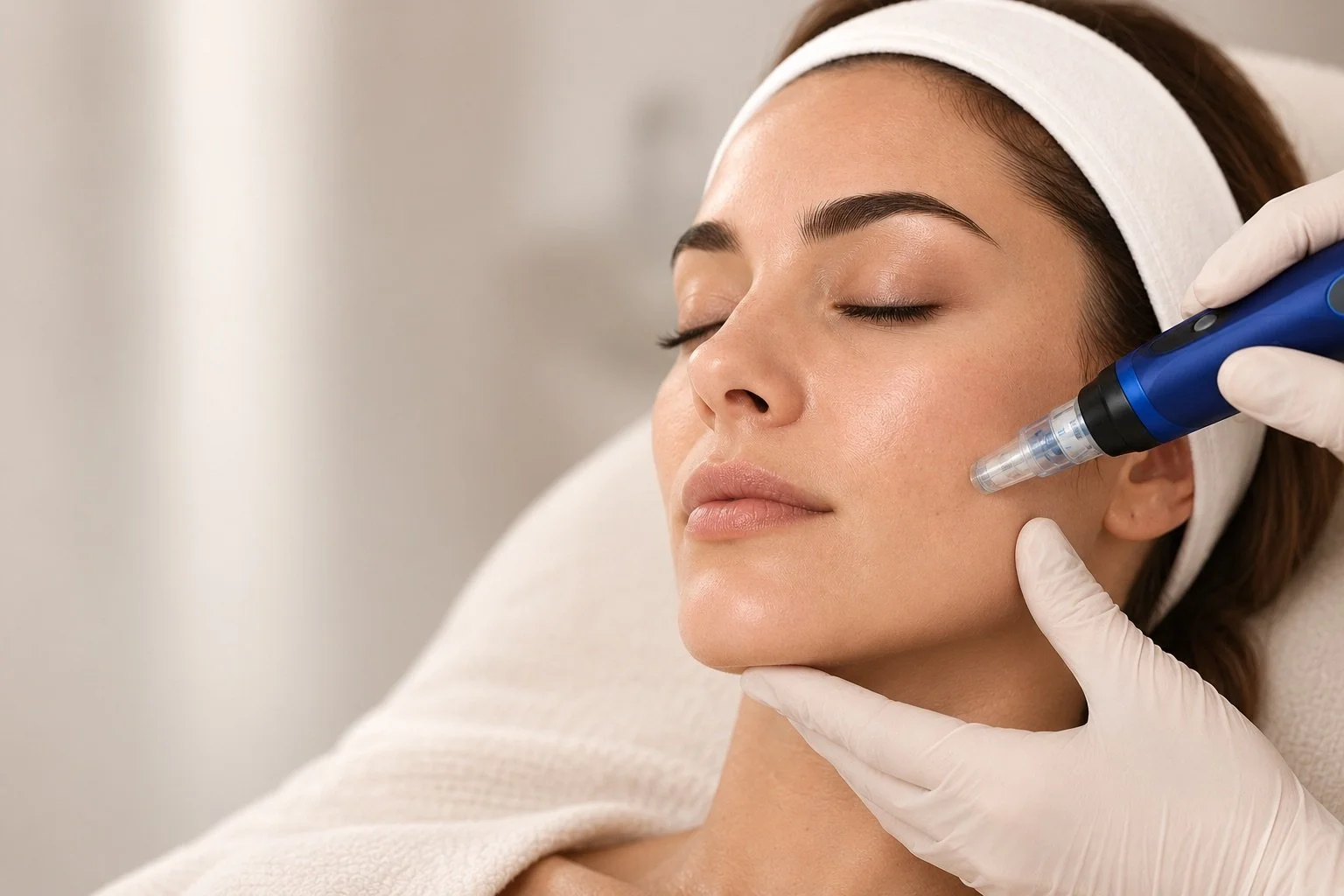
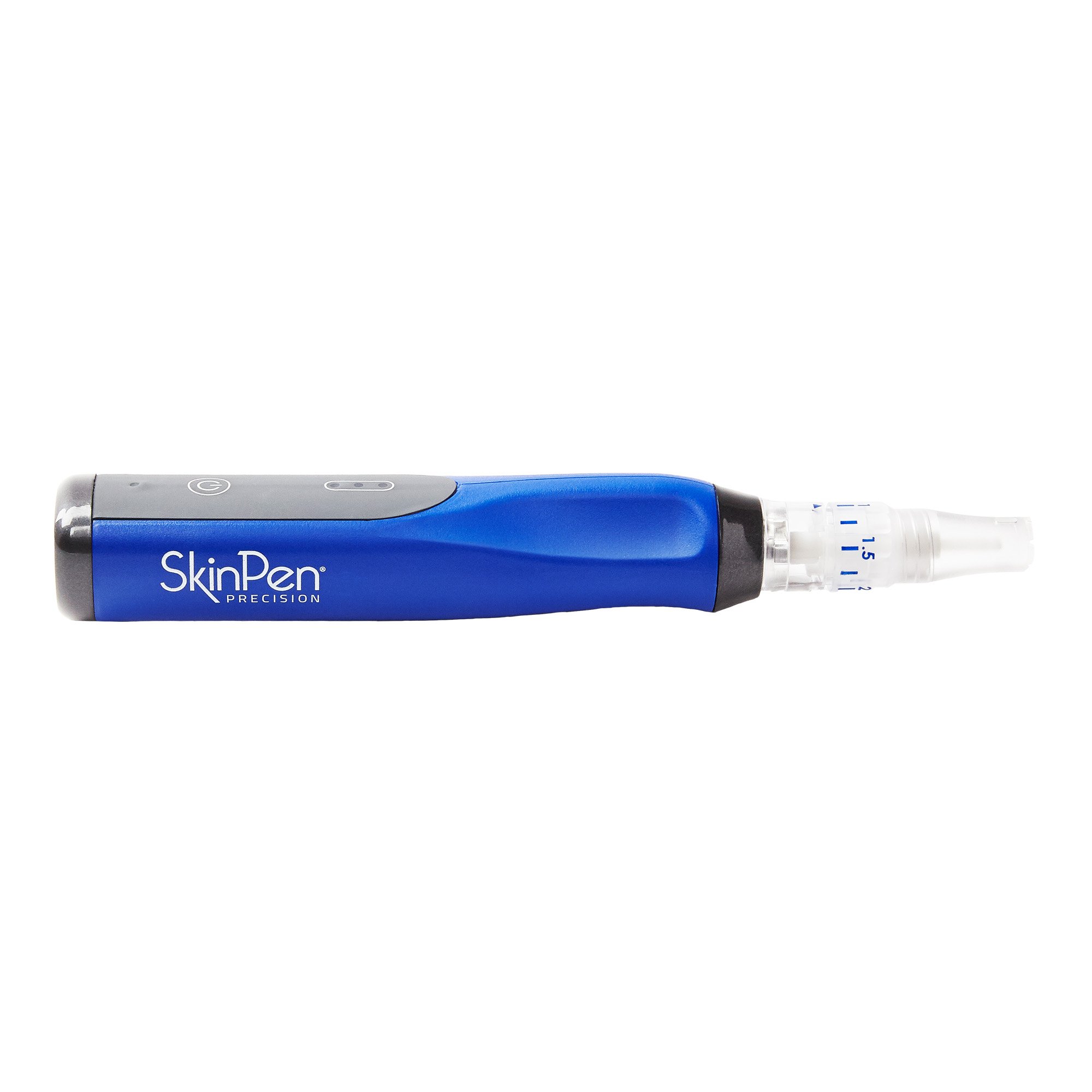
SkinPen™ Precision Elite
Microneedling in Melbourne
A doctor-led approach to acne scars, skin texture and visible skin ageing
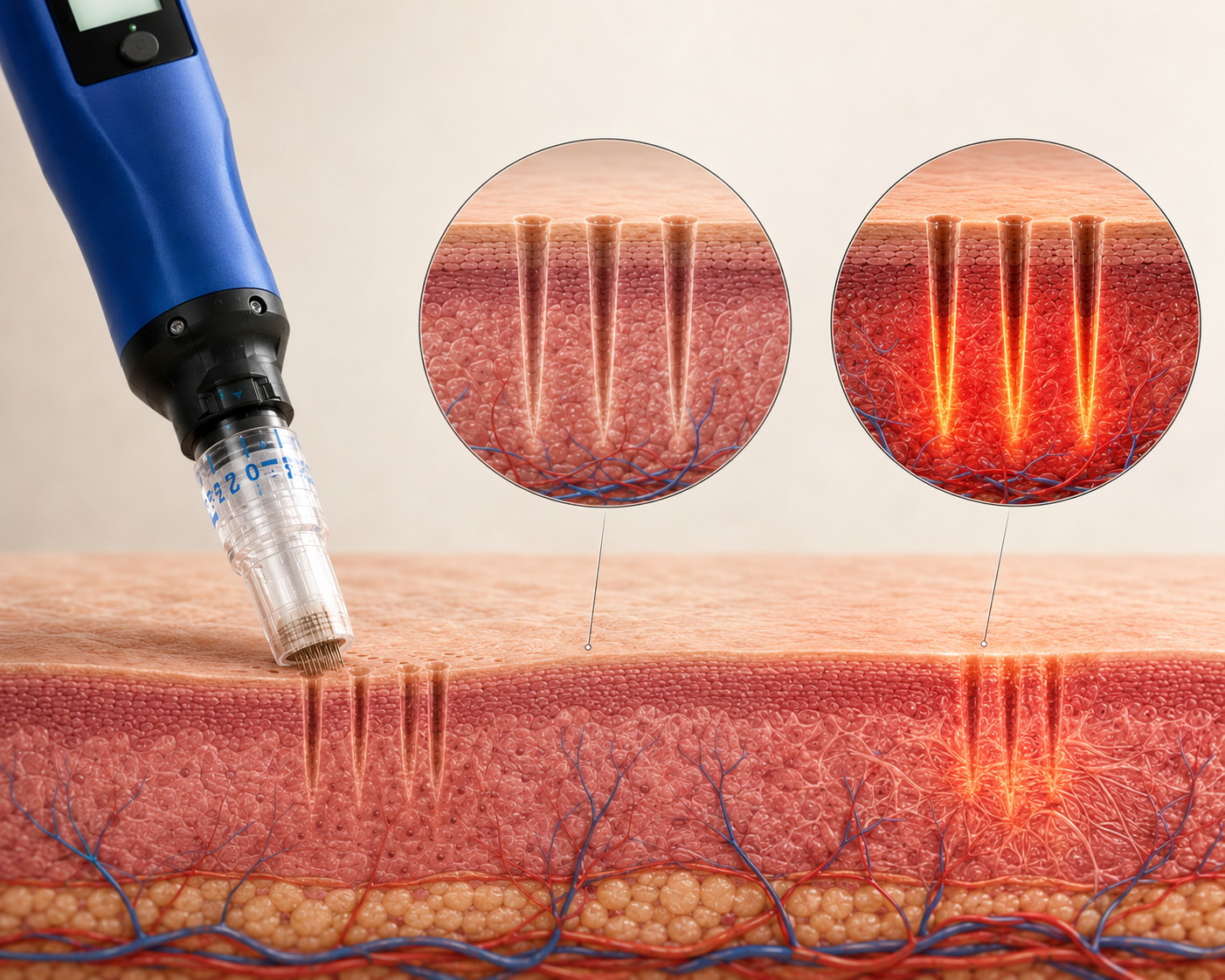
Microneedling uses very fine needles to create controlled channels within the skin.
These small areas of injury initiate a healing response that can gradually remodel collagen and soften irregular surface texture.
At Cosmenon, microneedling is performed using the SkinPen Precision Elite™ system following a medical and skin assessment. Treatment is planned around the condition of your skin, the type and depth of any scarring, your tendency to develop pigmentation, and whether another treatment would be more appropriate.
SkinPen is a mechanical microneedling treatment. It does not use laser, radiofrequency energy or heat.
What may SkinPen™ microneedling help improve?
SkinPen may be considered for:
Selected atrophic acne scars.
Uneven or coarse skin texture.
Fine lines and early visible skin ageing.
Selected fully healed surgical or traumatic scars.
Fine wrinkling of the neck, where clinically appropriate.
The strongest published evidence relates to atrophic facial acne scars. Research into general skin rejuvenation and fine lines is encouraging, although results are less predictable and the quality of studies varies.
Microneedling does not restore lost facial volume, lift substantial skin laxity or remove every type of scar.
Acne scars require more than one treatment approach
Acne scars differ in shape and depth.
Shallower rolling scars and some boxcar scars may respond to microneedling. Deep boxcar scars, narrow ice-pick scars and scars tethered to deeper tissues may need treatments such as subcision, focal chemical reconstruction, laser or surgical techniques.
Active acne also needs to be controlled before scar treatment. Continuing inflammation can create new scars and may make microneedling inappropriate.
Your consultation includes an assessment of the scar pattern and a discussion about whether SkinPen is likely to provide a worthwhile improvement. Dermatology referral may be recommended for active acne, complex scarring or uncertain skin lesions.
How does the treatment work?
The sterile SkinPen cartridge moves across the treatment area at a depth selected for the anatomy and skin concern. The needles create controlled microchannels while leaving surrounding tissue relatively intact.
The treatment response develops in stages. Initial inflammation is followed by repair and longer-term tissue remodelling. Changes therefore appear gradually rather than immediately.
A temporary glow or smoother surface may be noticed earlier, but collagen remodelling takes place over the following weeks and months.
What happens during an appointment?
Before treatment, your skin and medical history are reviewed. Clinical photography may be taken to document the treatment area.
The skin is cleansed and topical anaesthetic may be used when appropriate. Treatment depth is adjusted across different anatomical areas rather than applying one setting over the entire face.
The procedure commonly produces uniform redness and may cause pinpoint bleeding. These are controlled treatment responses rather than measures of how successful the eventual result will be.
How many sessions are needed?
A course of approximately three treatments, usually separated by about four weeks, is commonly used for acne scarring and textural concerns.
This is a guide rather than a fixed requirement. The number of sessions depends on:
The scar or skin concern being treated.
Its severity and depth.
Your healing response.
The improvement you consider worthwhile.
Whether other treatment methods are required.
More treatment does not guarantee complete correction. Progress is reviewed before recommending additional sessions.
Recovery after microneedling
Redness, warmth, mild swelling and sensitivity are common immediately after treatment. The skin may feel tight or dry and can develop light flaking over the following days.
Many patients can resume ordinary activities within one or two days, although visible redness sometimes lasts longer. Recovery varies with treatment intensity, skin sensitivity and the area treated.
Makeup and active skincare should not be reapplied until advised. Sun exposure, strenuous exercise, swimming, saunas and activities that increase heat or contamination may need to be avoided during the early recovery period.
You will receive written aftercare instructions.
When should microneedling be postponed?
Treatment may not be appropriate when there is:
Active inflammatory acne in the treatment area.
Cold sores or another skin infection.
Open or recently injured skin.
Active eczema, dermatitis, psoriasis or a rosacea flare.
Recent sunburn or significant tanning.
Delayed wound healing or a tendency to form abnormal scars.
A recent skin procedure that has not fully healed.
A suspicious or undiagnosed skin lesion.
A medical condition or medication that increases procedural risk.
This list is not exhaustive. Suitability is determined during your consultation.
Is SkinPen™ suitable for darker skin tones?
Mechanical microneedling does not use pigment-targeted laser energy and can be considered across a broad range of skin tones.
Inflammation can still cause temporary or persistent pigment change. This is more likely when the skin is actively inflamed, recently tanned, treated too aggressively or inadequately protected from ultraviolet exposure.
Your pigment history and Fitzpatrick skin type form part of treatment planning.
Does Cosmenon apply serums through the needles?
Microneedling temporarily disrupts the skin barrier and can increase the penetration of anything placed on the treatment area.
A skincare product that is suitable for intact skin is not automatically safe for introduction into microchannels. Cosmenon uses only procedural products considered appropriate for the device and treatment protocol.
What are the risks?
Common short-term effects include redness, tenderness, swelling, tightness, dryness and flaking.
Less common risks include prolonged inflammation, infection, cold-sore reactivation, acne flare, pigment change, allergic or irritant reactions, delayed healing and scarring. Abnormal inflammatory reactions may occur when unsuitable products enter disrupted skin.
Risk cannot be removed completely. Device selection, sterile single-use cartridges, infection-control procedures, conservative treatment settings and appropriate patient selection help reduce avoidable complications.
How does SkinPen™ compare with laser or radiofrequency microneedling?
SkinPen creates mechanical microinjury without adding heat.
Laser and radiofrequency treatments use thermal energy and may offer advantages for certain scars, wrinkles or skin laxity. They also have different risks and recovery profiles.
No single treatment is best for every scar or skin concern. The choice depends on skin type, scar morphology, tolerance for downtime and the degree of change being sought.
Results and expectations
Microneedling may soften scars and improve surface texture, but it does not create perfectly smooth or poreless skin.
Results develop gradually and vary between patients. More severe acne scarring usually improves rather than disappears. Published studies support treatment for selected atrophic acne scars, while the evidence for general rejuvenation remains less certain.
Clinical photography and review appointments are used to assess progress as objectively as possible.
Why did I choose SkinPen Precision Elite?
I chose SkinPen Precision Elite because it comes from a microneedling platform with a substantial clinical and regulatory history. SkinPen is well established in the United States and has become one of the most widely recognised professional microneedling systems used in medical-aesthetic practice.
The original SkinPen Precision System was granted FDA De Novo classification in 2018 for improving the appearance of facial acne scars in adults. This decision established a new Class II category for aesthetic microneedling devices, which is why SkinPen is commonly described as the first FDA-cleared microneedling device.
For Australian patients, the relevant Crown Aesthetics electronic microneedling handpiece system is included in the Australian Register of Therapeutic Goods, or ARTG, as a Class IIa medical device under ARTG entry 417400. The ARTG is maintained by the Therapeutic Goods Administration and records therapeutic goods that may be legally supplied in Australia.
Regulatory status alone does not guarantee that a treatment will be appropriate or produce a particular result. My decision also considered the device’s sterile single-use needle cartridges, contamination-control features, adjustable treatment depth and ability to deliver conventional microneedling without heat or radiofrequency energy. Treatment settings and suitability are determined after assessing the skin, the concern being treated and the patient’s medical history.
Why treatment at Cosmenon is different
SkinPen Precision Elite™ treatment at Cosmenon is planned within a doctor-led medical aesthetics practice.
Assessment may include:
Your skin diagnosis and current inflammation.
Acne activity and the risk of further scarring.
Scar type and tethering.
Previous treatments.
Pigmentation and wound-healing history.
Medications and medical conditions.
Whether microneedling is the most appropriate treatment.
Where another procedure or specialist assessment is more likely to help, this will be discussed rather than proceeding with repeated needling.
Book a consultation
A consultation allows us to examine your skin, identify the type of scarring or texture change present, and determine whether SkinPen Precision Elite™ is likely to be useful.
Where microneedling is unlikely to address the underlying concern, alternative treatment or referral will be discussed.
All cosmetic procedures involve risks. Outcomes vary between individuals and cannot be guaranteed. Information on this page is general and does not replace an individual medical assessment.
Frequently Asked Questions
-
Topical anaesthetic can make the procedure more comfortable. Sensation varies across the face and with the depth required. Bony areas such as the forehead may feel more sensitive.
-
Pinpoint bleeding can occur, particularly where deeper treatment is required. Heavy bleeding is neither necessary nor a sign of a better treatment.
-
Microneedling is primarily used for acne scars after inflammatory acne has been controlled. Treating through pustules, nodules, cysts or infection may worsen inflammation and spread organisms across the skin.
-
Deep ice-pick scars usually respond poorly to microneedling alone. A targeted treatment such as TCA CROSS or a minor surgical technique may be more appropriate.
-
It may improve fine surface texture and mild wrinkling. It cannot reliably correct substantial laxity, jowls or redundant neck skin.
-
Microneedling is sometimes studied for pigmentary conditions, frequently in combination with medications. It can also provoke post-inflammatory pigmentation. Cosmenon does not treat all pigmentation as an automatic indication for SkinPen.
-
No. SkinPen Precision Elite is mechanical microneedling and does not deliver radiofrequency energy or heat.
-
Remodelled tissue may remain improved, but the skin continues to age and remains affected by acne, ultraviolet exposure, smoking, health and skincare. Maintenance treatment may be discussed, although it is not compulsory.
-
The degree and duration of redness cannot be guaranteed. First-time treatment should not be scheduled immediately before an important event.