

Facial Ageing Resource Centre
Understanding Why We Look Older Over Time
The Facial Ageing Resource Centre is designed as an educational resource. Scientific understanding continues to evolve, and individual ageing patterns vary significantly.
A medical consultation allows these concepts to be applied to each person’s anatomy, skin quality, health history and goals.
-
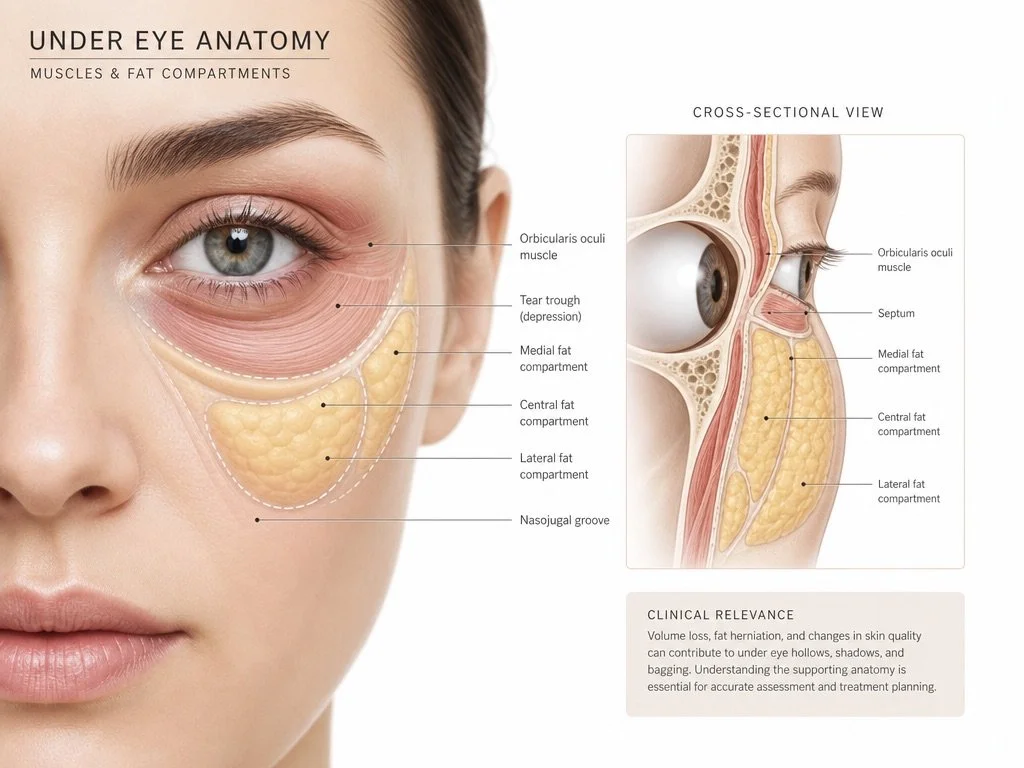
![Diagram of the under eye anatomy showing muscles and fat compartments, including orbicularis oculi muscle, tear trough, medial fat compartment, central fat compartment, lateral fat compartment, and nasojugal groove, with a cross-sectional view highlighting the same features.]()
-
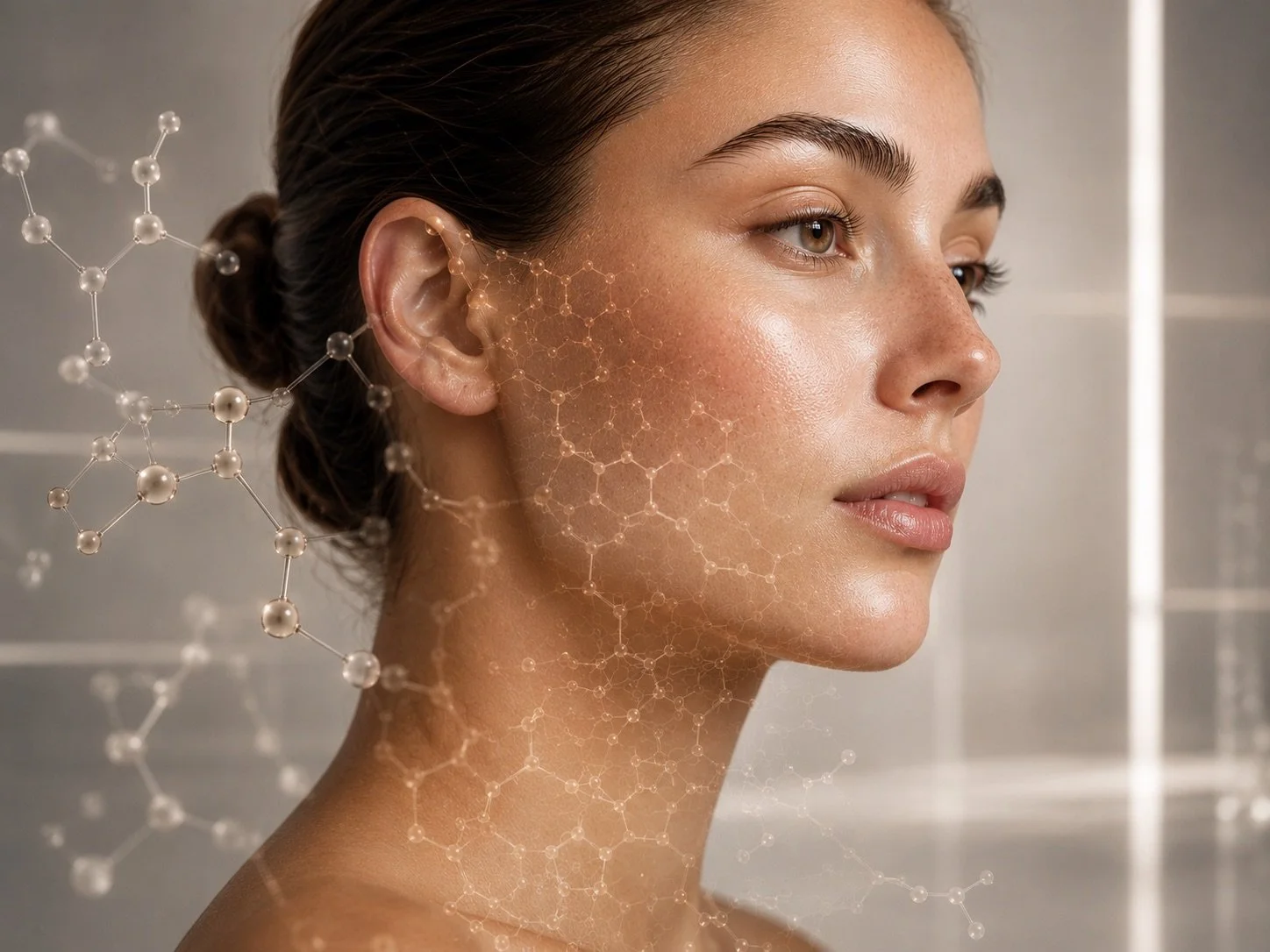
![Close-up of a young woman with clear skin, looking to the side, with digital molecular structure overlay on her face and neck.]()
-
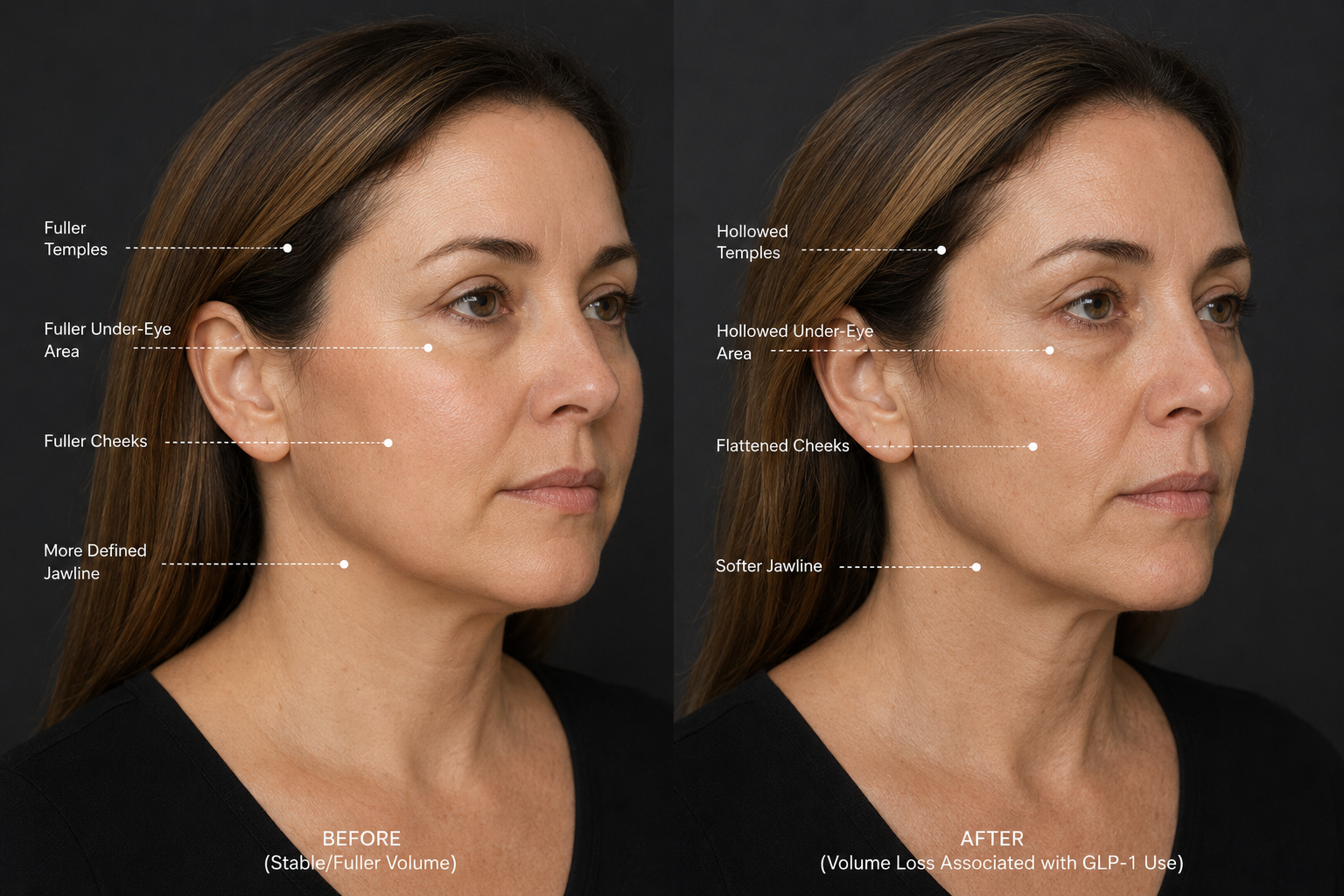
![Side-by-side comparison of a woman's face before and after a cosmetic treatment, with labels indicating changes in her facial features, including fuller temples, under-eye area, cheeks, jawline, and softened jawline after treatment.]()
-
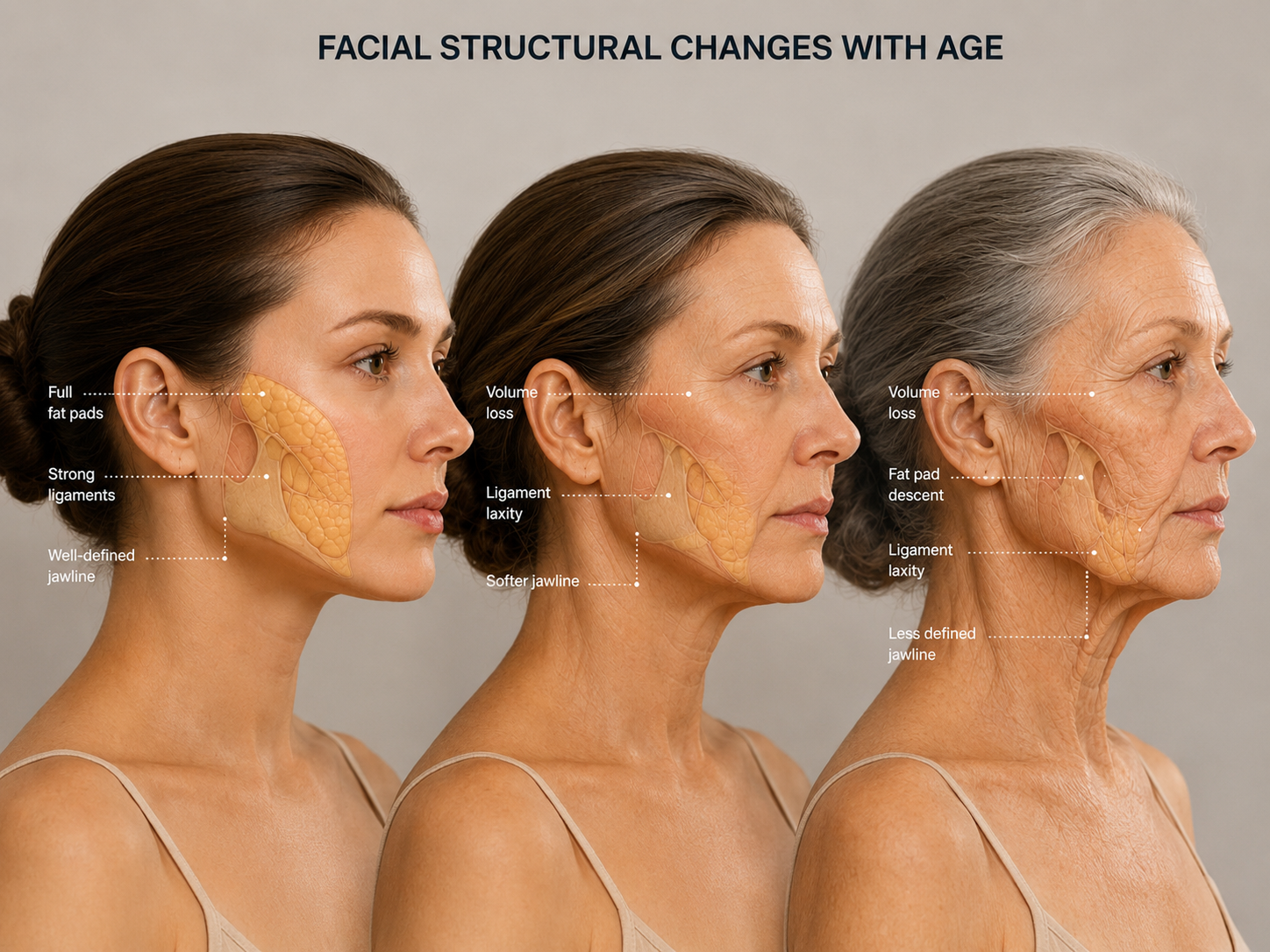
![Side view of a woman's face illustrating three stages of facial aging, showing structural changes with age, including full fat pads, strong and less defined ligaments, and varying jawline definition.]()
-
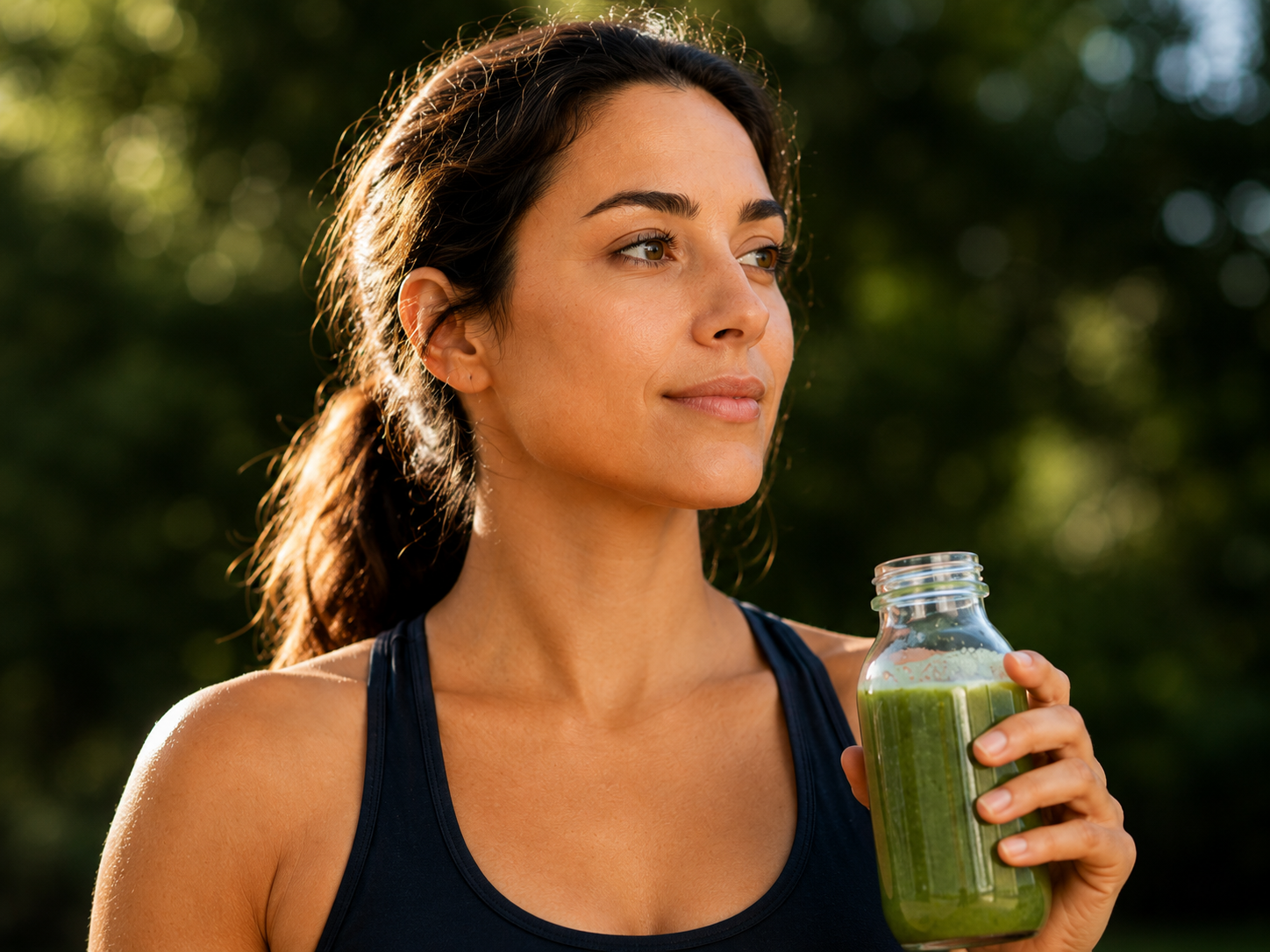
![A young woman in a black athletic top holding a jar of green smoothie outdoors with trees in the background, enjoying sunlight on her face.]()
-
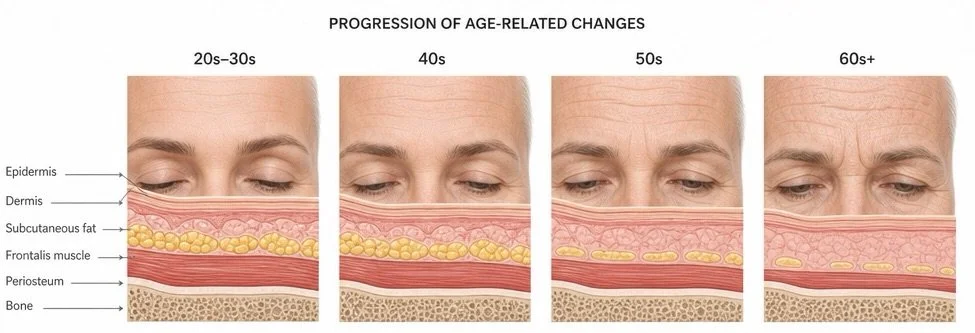
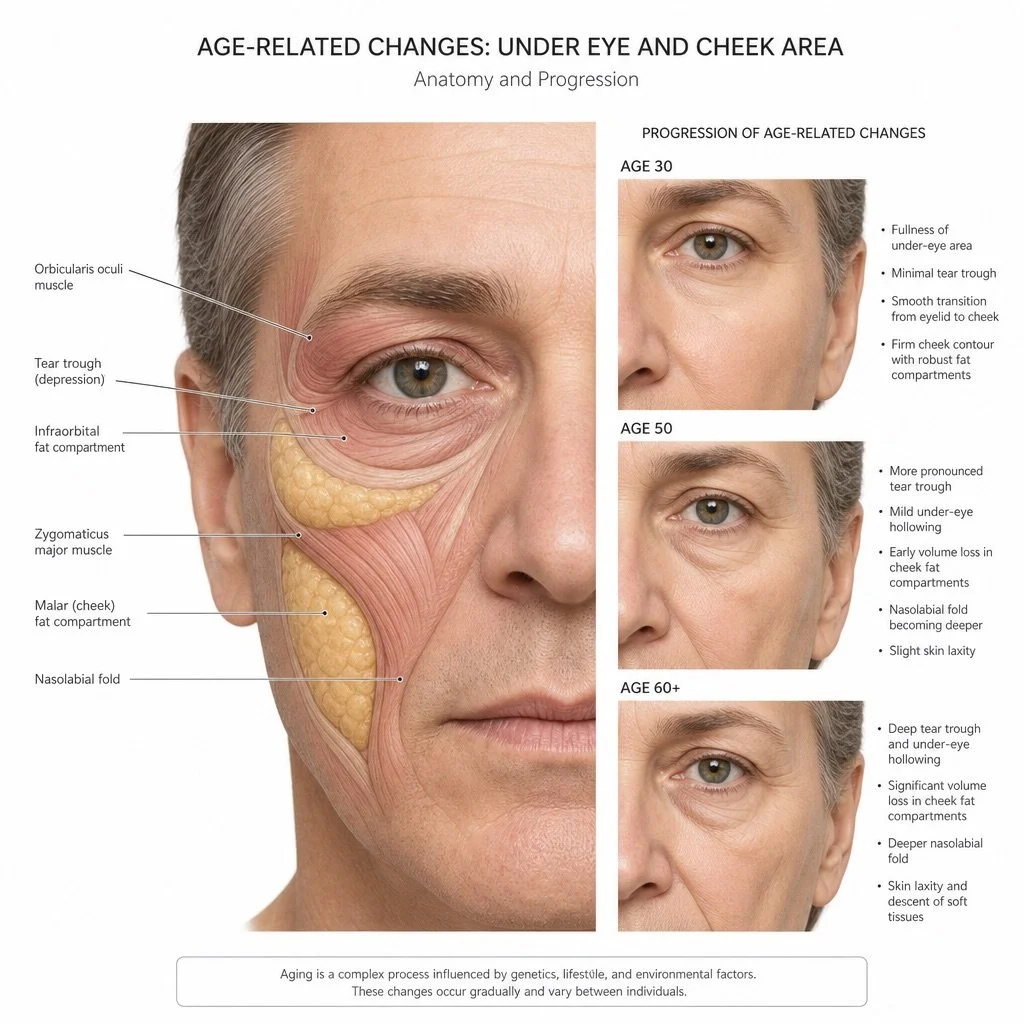
![Diagram illustrating age-related changes under the eye and cheek area, showing muscle, fat compartments, and skin, with progression from age 30 to 60+ in side profile photos.]()
Male Facial Ageing
Coming Soon
-
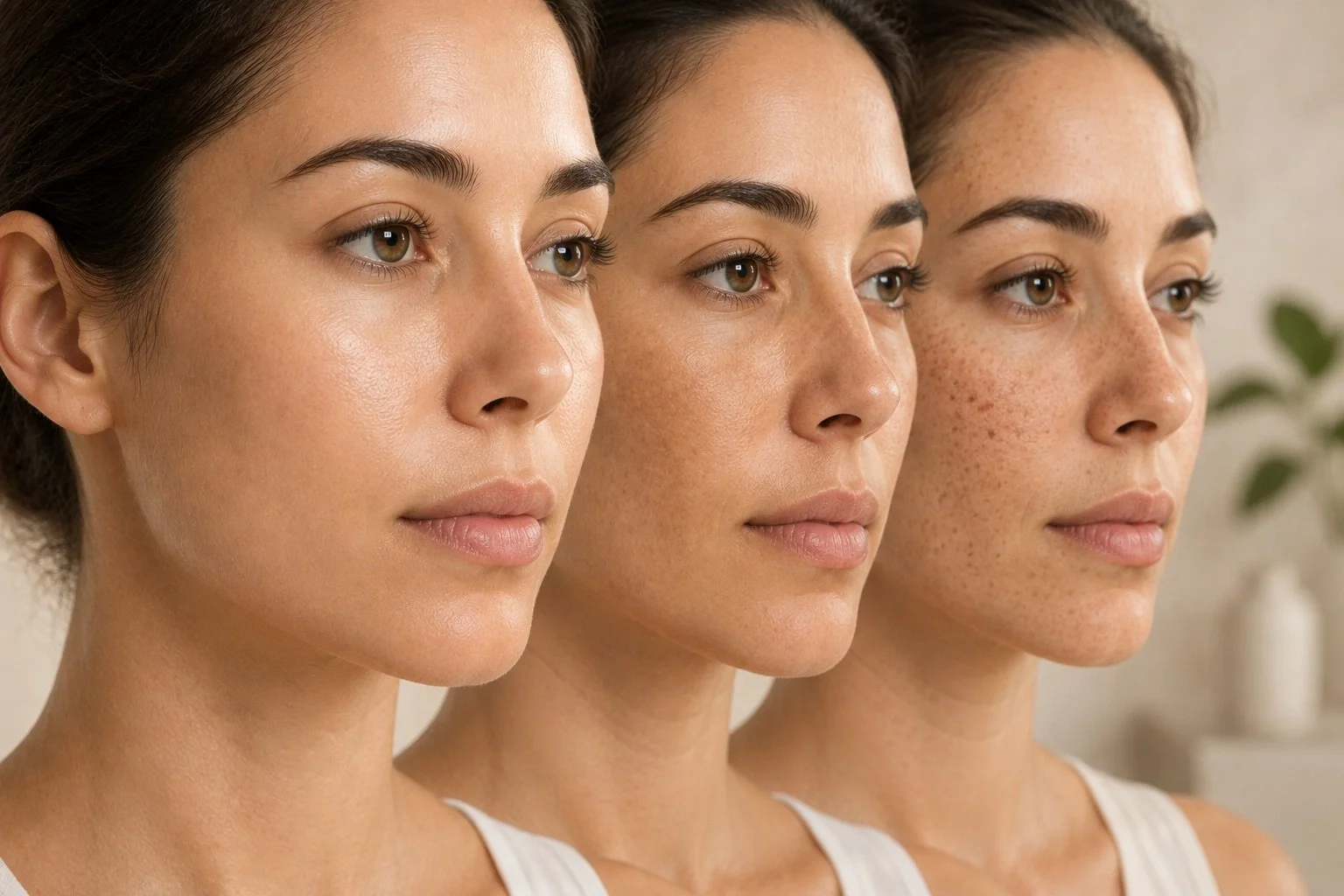
![Side profile of three women with different skin tones showing skin conditions, from clear to freckled.]()
Understanding Skin Pigmentation
Most people notice facial ageing gradually.
A photograph catches your attention. Your face looks more tired than expected. The jawline appears softer. The skin reflects light differently. You may feel well-rested and healthy, yet still feel that something has changed.
One of the most common things I find during consultations is that patients will often identify a single feature as the problem. They might focus on lines, volume loss, skin texture, or the area beneath their eyes.
In reality, facial ageing is rarely caused by one process alone.
The face changes through a complex interaction of structural support, volume distribution, skin quality, muscle activity, genetics, lifestyle, and environmental exposure. Discussing these processes is often the first step toward understanding why we look older and what can realistically be done about it.
The purpose of this resource is to provide evidence-informed information about facial ageing, skin quality, prevention, and healthy ageing.
“Have a look around, ask me questions during your consultation.
I look forward to seeing you in clinic soon.” Dr Raj
Explore The Facial Ageing Resource Centre
Foundations
What Actually Happens To The Face As We Age?
The Five Processes Of Facial Ageing
Why Different People Age Differently
Skin Quality
What Is Skin Quality?
Skin Quality vs Volume Loss
The Role Of Collagen In Facial Ageing
Prevention
How To Age Well
Does Sugar Accelerate Skin Ageing?
Does Alcohol Age Your Skin?
Smoking, Vaping And Facial Ageing
Weight Loss & Facial Ageing
Understanding GLP-1 Weight Loss And Facial Changes
Facial Volume Changes After Weight Loss
Muscle Loss And Facial Appearance
Evidence-Informed. Always.
Review our Article Index:
Get started today.

Common Questions About Facial Ageing
Many patients begin researching facial ageing after noticing a specific concern.
Why do I look tired?
Often, the answer involves multiple processes including changes around the eyes, skin quality decline, volume redistribution, and light reflection.
Read: Why Do I Look Tired?
Why does my skin look different?
Changes in collagen, hydration, elasticity and pigmentation can alter the way skin reflects light and contribute to an older appearance.
Read: What Is Skin Quality?
Why does my face look older after weight loss?
Significant weight loss can alter facial volume and soft tissue support, particularly in the cheeks and lower face.
Read: GLP-1 Weight Loss And Facial Changes
Why do some people seem to age more slowly?
Genetics, lifestyle, sun exposure, smoking history, skin care habits, and overall health all contribute.